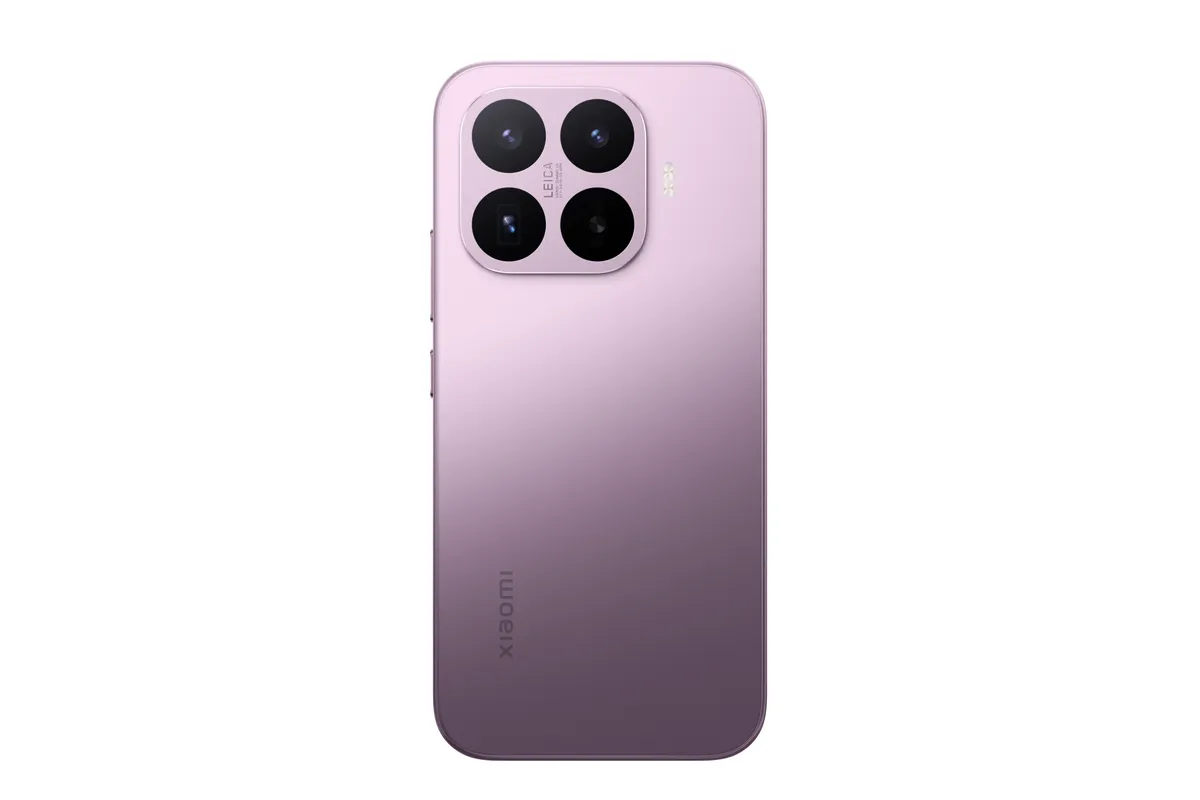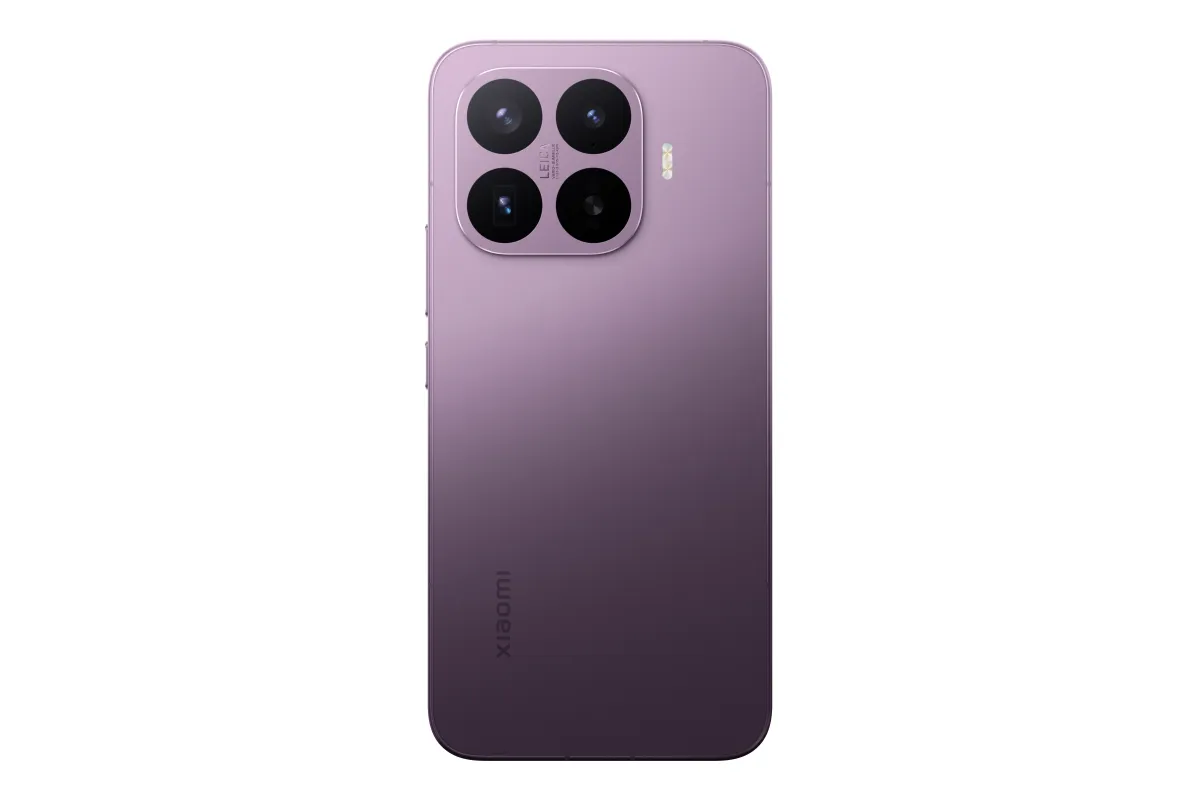
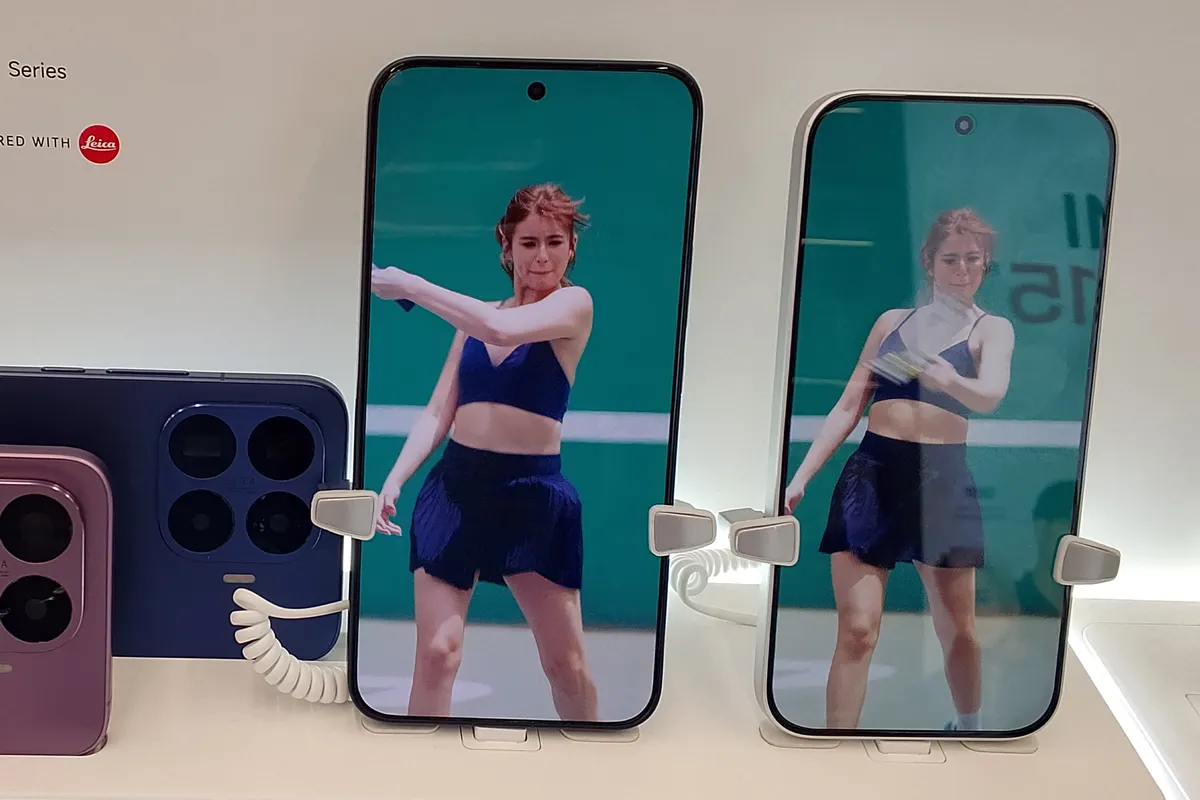
The 5x camera doesn’t require the Pro
Both the Xiaomi 17T and 17T Pro have a dedicated 5x optical telephoto. If zoom is why you’re considering the Pro, take another look at the regular phone before spending more (Xiaomi’s series announcement).
The Pro does bring different hardware: a larger screen, wireless charging, a different main-camera sensor and processor, and additional video modes. The question is whether those changes matter more to you than size and storage.
This guide uses Germany’s verified launch lineup to compare configurations. US prices are not confirmed for either phone. Use offers from your own market to calculate the premium rather than converting the German price into a presumed US price.
Compare equal storage, then your budget
Xiaomi’s German launch list included these capacities, all with 12 GB RAM:
| Storage | 17T | 17T Pro |
|---|---|---|
| 256 GB | Listed | Listed |
| 512 GB | Listed | Listed |
| 1 TB | Not listed | Listed |
At matching capacities, the Pro had the higher German launch price. The list also put the Pro 256 GB above the regular 17T 512 GB in price. That pairing is worth checking against your local offers: paying for Pro hardware could leave you with half the storage.
If your current phone is full of games, offline media, or video projects, settle the capacity first. A faster replacement can still run out of space. Moving up a storage tier doesn’t add RAM on either model.
How much phone do you want in your pocket?
The 17T is 75.2 mm wide and weighs 200 g, with a 6.59-inch screen. The Pro is 77.5 mm wide and 219 g, with a 6.83-inch screen (17T specifications; Pro specifications). Compare those dimensions with the phone you already carry, including its case.
The Pro supports up to 144 Hz against 120 Hz on the regular model. Xiaomi says its actual refresh rate varies with the app and game settings. Don’t choose it expecting every game to run at 144 frames per second. The larger viewing area may be a more useful reason if you read or edit on your phone.
Wireless charging is a clear Pro difference
The 17T lists a 6,500 mAh battery, 67W HyperCharge, and up to 50W with compatible PPS adapters. The Pro lists 7,000 mAh, 100W wired HyperCharge, up to 100W PPS, and 50W wireless charging (base charging specifications; Pro charging specifications).
If you use a wireless charger at your desk or bedside, the Pro offers that option; the regular model’s specification doesn’t list it. For wired charging, check the adapter’s protocol as well as its wattage.
Both global pages exclude a power adapter from the box, and the Pro’s wireless charger is sold separately. Regional packages can differ, so include the equipment you need in the local price comparison. The battery capacities and peak wattages don’t tell you real runtime or a full-charge time.
The camera changes are elsewhere
The main sensor changes from Light Fusion 800 to Light Fusion 950. Both sheets list a 50 MP, 115 mm-equivalent stabilized telephoto, 12 MP ultrawide, and 32 MP front camera (17T camera table; Pro camera table).
The Pro adds 8K recording at 30 fps and 4K at 120 fps; the base model lists 4K at 30 or 60 fps. If you plan to use those modes, think about where the footage will go and how much you’ll keep on the phone. They are recording options, rather than proof of a still-photo advantage.
Decide what you need from the processor
Xiaomi lists Dimensity 8500-Ultra for the 17T and Dimensity 9500 for the Pro. Both list HyperOS 3, 12 GB RAM, and UFS 4.1 storage (17T; Pro).
If a particular game or demanding app is driving the purchase, look for evidence from that app on the exact phone and settings. The chip names alone don’t tell you sustained frame rates, heat, or power consumption.
Before you order an imported model
Confirm the model number, storage, local warranty, carrier acceptance, and box contents. Xiaomi notes that configurations and connectivity vary by region; eSIM availability also depends on the country and carrier (Pro connectivity notes).
The device pages list the catalog’s 17T configurations and 17T Pro configurations with sources. Choose the storage you need, then the body you want to carry, then the Pro features you’d use. That order keeps the premium tied to something useful.